





If you typed this question into a search bar, you’re probably in one of a few situations. Maybe you’re a SAS software customer wondering about your licenses. Maybe you’re an employee keeping an eye on the headlines. Or maybe you saw “SAS” and “bankruptcy” in the same sentence and wanted to know what’s actually going on.
Here’s the thing — the answer depends entirely on which SAS you mean. There are two completely separate companies sharing that name, and headlines about one frequently get searched in the context of the other. Let’s clear that up right away, then walk through what’s really happening with each one.
Two Very Different Companies Share the Same Name
First, the important distinction. SAS Institute Inc. is an American analytics and AI software company. It was founded in 1976 and is headquartered in Cary, North Carolina. It builds tools used in finance, healthcare, pharma, and government — things like data management, business intelligence, and AI software.


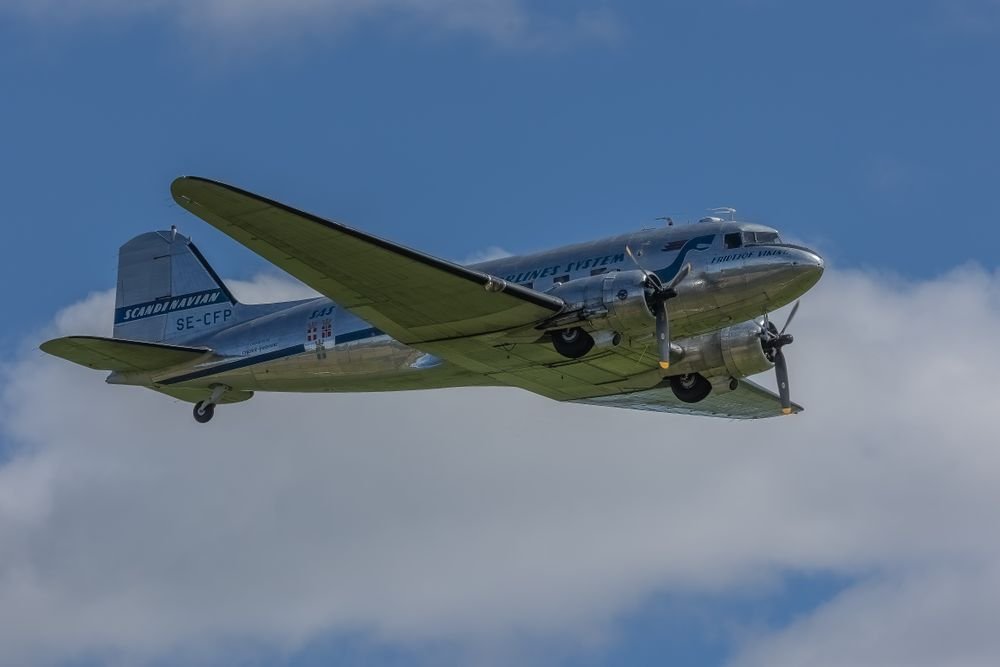
Scandinavian Airlines (SAS) is a major Nordic airline that recently went through Chapter 11 bankruptcy proceedings in the United States. Two completely different industries. Two completely different stories.
A lot of the alarming headlines you may have seen apply to one company but get searched in the context of the other. It’s an incredibly common mix-up. This article covers both — clearly separated — so you walk away knowing exactly where each one stands.
What Is SAS Institute and Is It Still Operating?
SAS Institute has been around for nearly 50 years and has always been privately held. There’s no stock price to watch, no public shareholders to answer to. It operates globally and is still very much in business today, even with recent restructuring moves making headlines.


The company’s software is deeply embedded in industries that don’t change quickly. Think pharmaceutical companies running clinical trials, government agencies managing large datasets, and financial institutions that built entire reporting systems on SAS tools decades ago. Switching away from that isn’t simple — especially in regulated industries where validated code has to go through lengthy approval processes before it can be replaced.
Yes, tools like Python and R have grown dramatically in popularity. Competition is real. But organizational inertia and regulatory requirements keep SAS firmly in place at many large enterprises. There’s, as practitioners on data science forums put it, “lots and lots of legacy SAS code out there.” That translates to ongoing license revenue, which matters when you’re trying to understand the company’s financial footing.


Recent Layoffs and the China Exit — What They Actually Mean
This is probably where the “is SAS going out of business” searches are coming from, so let’s talk about it directly.
The June 2026 Layoffs
In June 2026, SAS Institute cut 300 positions across the company. A company spokesperson described it as part of a broader restructuring effort. That’s a real number of real people affected, and it’s understandable that it raises questions.
But layoffs during restructuring are not the same thing as a company shutting down. During the 2022–2024 tech downturn, many large software firms — some very profitable — cut significant portions of their workforce while continuing to operate normally. SAS’s cuts fit a similar pattern: a mature company adjusting its cost structure, not a business in freefall.
Leaving Mainland China
Earlier, SAS Institute made the decision to exit mainland China after roughly 25 years of direct operations there. That move involved laying off around 400 employees in the region. The company described it as part of a “wider transformation” aimed at optimizing global operations and ensuring long-term viability.
Importantly, SAS isn’t walking away from China entirely. The plan is to maintain a presence through third-party partners rather than running direct operations. That’s a meaningful difference.
Think of it this way: a global software firm might close its own offices in a particular country due to regulatory pressures, economic challenges, or cost issues — but still sell products through local partners and continue operating normally everywhere else. That’s the situation here. A regional exit is not a global shutdown.
Both moves — the layoffs and the China exit — are connected to something bigger: the company’s push to prepare itself for a possible IPO.
The SAS Institute IPO — Delayed, Not Dead
A few years ago, SAS Institute announced plans to be IPO-ready by 2024. That date came and went. Leadership then pointed to 2025, describing the delay as needing to “take care of some housekeeping.” That timeline has slipped further too. Co-founder Jim Goodnight has indicated the company still isn’t ready, with no firm new date on the table.
Market conditions haven’t helped. SaaS and tech valuations have taken a hit, and commentary from people watching the space closely suggests a near-term SAS IPO would be a surprise at this point.
Here’s the important framing though: an IPO delay is a strategy question, not a survival question. It means the company isn’t ready for public markets right now. It doesn’t mean the company is failing. The restructuring, the China exit, the workforce reductions — these are all part of trying to get the business into a shape that looks attractive to public market investors. That’s a long game, not a death spiral.
If anything, the very fact that they’re still working toward an IPO suggests confidence in the business’s future, not a lack of it.
What About Scandinavian Airlines?
If your search was about the airline, here’s the short version: Scandinavian Airlines filed for Chapter 11 bankruptcy in the United States and has since emerged from those proceedings under new ownership.
During the process, the airline restructured more than $2 billion in debt and secured $1.2 billion in new capital — a mix of new equity and secured convertible debt. Leadership described it as the airline entering a “new era.”
It’s worth understanding what Chapter 11 actually means. It’s not liquidation. It’s not “the airline is shutting down.” Chapter 11 is a legal process designed specifically to let companies reorganize, renegotiate debts, and continue operating. Airlines use it more than almost any other industry. Coming out the other side with new capital and new owners is a sign of reorganization, not collapse.
Scandinavian Airlines is still flying. That said, aviation is a notoriously competitive and difficult business, so long-term success still depends on execution. But “going out of business” is not what happened here.
What Does This Mean for You?
Depending on why you searched this question, here’s what you should actually take away:
- If you’re a SAS Institute customer: The company is still operating and still supporting its products. Restructuring and market exits don’t change that in the short term. It’s worth watching the IPO situation over time, but there’s no immediate reason to panic about your licenses or support contracts.
- If you’re a SAS Institute employee: The restructuring is real, and uncertainty around the IPO timeline adds to that. Layoffs have happened and could continue as the company adjusts. Staying informed and watching how the IPO story develops is probably your best move.
- If you’re a Scandinavian Airlines passenger: The airline is operational under new ownership. Changes to routes, loyalty programs, or pricing are possible as the restructured company works toward profitability, but flights are still running.
For a broader look at how businesses navigate restructuring and what it means for different stakeholders, Blubizmag covers these kinds of business stories in plain language worth bookmarking.
The Bottom Line
Neither SAS is going out of business right now. But both are in genuine transition.
SAS Institute is cutting costs, reshaping its global footprint, and trying to position itself for an IPO that keeps getting pushed back. That’s a company dealing with competitive pressure and strategic uncertainty — not one that’s about to disappear. The deep roots it has in regulated industries give it a revenue base that doesn’t evaporate overnight.
Scandinavian Airlines went through a difficult bankruptcy process and came out the other side with new owners and new capital. The hard work of becoming a sustainably profitable airline is still ahead, but it is still flying.
When you see “SAS” and “crisis” in the same headline, it’s worth pausing to ask: which SAS? And what kind of crisis? More often than not, the story is more nuanced than the headline suggests.
Read Also: