





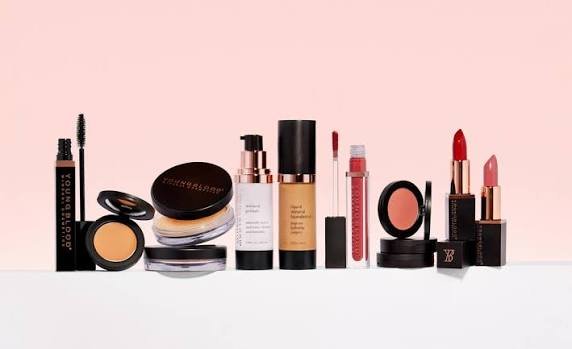
If you’ve been noticing changes around Youngblood lately — different packaging, products harder to find at your usual store, or worried comments popping up online — it makes total sense to wonder if something is wrong.
The short answer is no, Youngblood is not going out of business. But there’s a bit more to the story, and it’s worth understanding what’s actually going on so you’re not left guessing.
This article walks through the brand’s current status, what the acquisition and rebrand actually mean, why these rumors tend to spread, and what it all means if you’re a regular buyer or a professional who stocks the brand.


Youngblood Cosmetics Is Still Open and Actively Selling
Let’s get this out of the way first. Youngblood is still very much in business.
Their official website at ybskin.com is live, running active promotions, and showing a full product catalog with foundations, powders, and color cosmetics. That’s not what a brand on its way out looks like.
Their Instagram account, @youngblood_cosmetics, is active and regularly posting products and brand content. The website also has a working store locator that lists current retail and professional stockists near you.


There are no credible reports of bankruptcy, insolvency, or shutdown from any reliable business or beauty industry source. Everything publicly visible points to a brand that is open and operating normally.
What the Luxury Brands Acquisition Actually Changed
Here’s where some of the confusion likely started. Youngblood was acquired by a company called Luxury Brands, which added both Youngblood Mineral Cosmetics and Youngblood Skin Care to its growing beauty portfolio.


When people hear “acquired,” they sometimes assume the worst. But being acquired is generally the opposite of going under — it means a larger owner saw enough value in the brand to invest in it.
According to GCI Magazine, the acquisition was specifically aimed at giving Youngblood more resources for new product development, digital marketing, advertising, and growing both its trade and direct-to-consumer sales. That’s a growth plan, not an exit plan.
Think of it this way: imagine a customer walks into their usual salon, and the staff mention they’re “phasing out” Youngblood. The customer panics and figures the brand must be struggling. But what actually happened is a distribution channel shift — the salon changed suppliers, while the brand itself moved on and found new retail partners. It’s an unsettling change, but it’s not a shutdown.
Acquisitions do cause short-term disruption. Supply chains can get shuffled. Some retailers drop the brand during a transition. That’s normal. It doesn’t mean the brand is collapsing.
The Rebrand After 23 Years — What Changed and What Didn’t
On top of the acquisition, Youngblood also announced a rebrand. After more than two decades in business, the brand updated its visual identity, refreshed its packaging, and leaned into a modernized “clean luxury” positioning.
That kind of change can genuinely feel alarming if you’re a loyal user. You see new packaging on your favorite product and start wondering what else changed. You spot forum posts saying “Youngblood is changing everything,” and suddenly it feels like the brand you trusted is disappearing.
But a rebrand is a very different thing from a shutdown. In fact, rebrands are usually a sign that a company is investing in its future, not preparing to close.
The core products — mineral foundations, powders, and color cosmetics — are still part of the active lineup. Some shades or individual SKUs may have been retired or renamed as part of normal portfolio cleanup, which is completely standard during any rebrand. It doesn’t mean the brand is in trouble.
A helpful way to think about it: imagine a restaurant you love decides to renovate and update its logo. You drive by one day and the old sign is gone, the windows are covered up. You might assume it closed. But what’s actually happening is a refresh — and the renovation is meant to bring in more customers, not shut the doors.
That’s Youngblood right now. New look, same underlying business.
Why Rumors Like This Spread in the First Place
It’s worth understanding why “going out of business” rumors tend to follow brands through acquisitions and rebrands. It’s not random — there are real triggers.
When loyal customers suddenly can’t find their favorite product at the store they’ve always used, it feels alarming. When packaging changes, it can feel like the product they trusted is gone. When a brand gets acquired, the name might disappear from certain retail shelves temporarily while new distribution arrangements are made.
All of those things can look like warning signs, even when they aren’t.
The key is knowing what an actual closure looks like versus what a transition looks like. Here’s a simple comparison:
- Signs a brand is actually shutting down: Website goes offline, social media goes silent, official announcements about stopping operations, no products available anywhere.
- What Youngblood currently shows: Active website with promotions, regular social media posts, a functioning store locator, and trade coverage focused on growth plans.
Youngblood checks none of the closure boxes. It checks all of the active business boxes.
It’s also worth noting that clean beauty and mineral makeup fans tend to be especially alert to changes because good substitutes are genuinely hard to find. When a niche product works well for sensitive or post-procedure skin, the thought of losing it is stressful. That emotional investment is real, and it can make normal business changes feel much more dramatic than they are.
What This Means If You Buy Youngblood Regularly or Stock It Professionally
For Everyday Consumers
If you buy Youngblood for personal use, the best place to shop right now is directly through ybskin.com. The official site has a full product catalog and regularly runs promotions, so it’s the most reliable source.
If you prefer shopping in person or through a specific retailer, use the store locator on the Youngblood website to find current stockists near you. The locator is active and regularly updated.
It’s also worth following their official social channels for any product launches, shade updates, or announcements. That way you hear news directly from the brand rather than through secondhand rumors online.
If a specific shade you love is no longer available, it may have been retired during the rebrand phase. That’s genuinely frustrating, but it’s worth checking the site for updated shade ranges before assuming it’s gone for good.
For Makeup Artists, Spas, and Salons
If you’re a professional buyer, the acquisition by Luxury Brands is actually a reasonably positive signal. According to trade coverage, the new ownership’s stated goal is to strengthen both B2B and direct-to-consumer sales, increase advertising, and invest in new product development.
That typically means more marketing support, better supply reliability over time, and a stronger brand identity behind the products you’re recommending to clients. Short-term disruption during the transition is possible, but the long-term direction appears to be expansion, not retreat.
For professionals evaluating whether to stock Youngblood going forward, the current signals from industry trade sources don’t suggest instability. A spa owner worried about reliability has more reason to feel reassured by the acquisition than alarmed by it.
If you want to stay informed about professional availability and pricing, reaching out directly to Youngblood through their official site or trade channels is the most reliable approach.
How to Verify a Brand’s Business Status Yourself
This situation with Youngblood is a good reminder of how to check on any brand when rumors start circulating. It’s simpler than most people think.
Start with the brand’s official website. Is it live? Are products available for purchase? Are there active promotions? A brand preparing to close typically doesn’t run sitewide discounts.
Then check their social media. Recent posts promoting products are a strong sign of ongoing operations. A dormant account with no posts for months is a different story.
Finally, look for coverage in industry trade press — outlets like Cosmetics Business or GCI Magazine report on closures, acquisitions, and brand news. If a brand were shutting down, there would likely be a report somewhere. For Youngblood, the trade coverage is about investment and growth, not wind-down.
For more practical business insights and brand news you can actually use, check out Blubizmag — a solid resource for staying informed on what’s really happening in the business world.
The Bottom Line
Youngblood Cosmetics is not going out of business. The brand was acquired by Luxury Brands, which brought in resources for growth and development. It also went through a rebrand after 23 years, which updated its look and positioning without scrapping its core product line.
The confusion is understandable. Acquisitions and rebrands cause real disruption — products shift channels, packaging changes, and some SKUs get retired. For loyal users, that can feel unsettling.
But the actual evidence points clearly in one direction: Youngblood is active, selling, and moving forward. If you’ve been a fan of the brand, there’s no reason to panic-buy or start looking for alternatives just yet.
Read Also: