





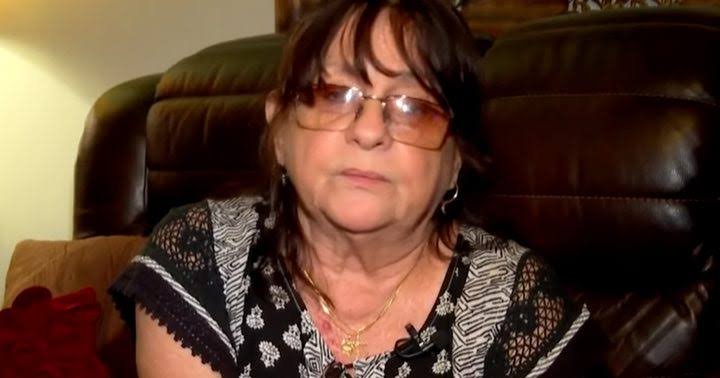
Most people who know the name Fidel Castro can name a handful of his relatives. His sister Juanita, his outspoken daughter Alina Fernández, his sons in Cuba — these names come up in books, interviews, and documentaries. But there is another name that rarely surfaces: Francisca Pupo.
Born in Cuba in 1953, Francisca is a biological daughter of Fidel Castro. For years, she lived anonymously in Miami, unknown to most of the world. Her identity only became publicly known around 2001, through journalism and family confirmation — not through any Cuban government record, and not through anything she did to seek attention.
This article covers who Francisca Pupo is, how her paternity became public, how she came to live in South Florida, and where she fits in a family tree that is more complicated than most people realize.
Who Is Francisca Pupo?
Francisca Pupo was born in 1953 in Cuba. Her mother is identified in Spanish-language sources as Micaela Cardoso Rodríguez. Her father, according to multiple confirmed sources, is Fidel Castro.
She is not a public figure by choice. Her name entered public awareness through investigative journalism and, crucially, through a public statement by Juanita Castro — Fidel’s sister — who confirmed: “It is true that she is his daughter.” That quote, reported by the Tampa Bay Times in 2001, remains one of the clearest on-record confirmations of her identity.
Francisca never sought the spotlight. She gave few interviews over the years. What the public knows about her comes largely from a handful of news reports and some Spanish-language interviews that surfaced in later years.
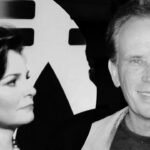
How Her Paternity Became Public
The story of how Francisca’s identity came to light is itself a piece of Cuban exile history. According to Tampa Bay Times reporting from 2001, a man named Asencio told journalist Ann Louise Bardach that Francisca was conceived in 1952 during a visit Castro made to Santa Clara. The account was part of how her paternity first entered the public conversation in the United States.
It is worth being clear about what that means and what it does not mean. Paternity was confirmed through family testimony — specifically Juanita Castro’s public statement — and through journalism. It was not confirmed through any official Cuban biographical document or state record. Fidel Castro himself left no known public acknowledgment of Francisca.
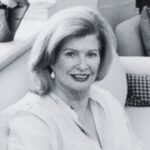
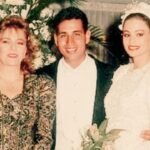
In Spanish-language interviews, Francisca has said she never met her father personally. She grew up without knowing him, and there is no documented evidence that he ever reached out to her or acknowledged her existence in any formal way. Genealogically close, but personally distant — that phrase describes the relationship well.
Her Move From Cuba to Miami
Francisca’s path to the United States was not dramatic by Cuban exile standards. She and her husband won a U.S. visa through a lottery run by the U.S. Interests Section in Havana. That process, a legal immigration route available to Cubans at the time, brought them to South Florida.
She arrived in her 40s, roughly two years before the 2001 press coverage that made her name known to English-language readers. Once in Miami, she settled into a quiet life. Reports at the time described her living in a gated condominium complex. According to AP reporting, she worked at a day care center in Miami.
She did not become politically active. She did not give press conferences or join exile organizations. Unlike some Castro relatives who used their platform to speak out against the Cuban government, Francisca chose a low-profile existence — working, living quietly, and staying largely out of public view.
That restraint is part of why so little information about her has accumulated over the years. When someone does not seek attention, there is simply less to report.
Where She Fits in Fidel Castro’s Family Tree
Fidel Castro had multiple children with different partners over the course of his life. His family is geographically scattered — some in Cuba, some in Spain, some in South Florida. The family tree is fragmented, both geographically and personally.
Miami, perhaps surprisingly, became home to several Castro relatives. Juanita Castro, Fidel’s sister, lived there for decades as a pharmacist and longtime exile. She publicly broke with her brother and was outspoken about her opposition to his government. Alina Fernández, another daughter of Fidel Castro, also lived in Miami and became a vocal critic and media personality.
One AP report noted that Alina Fernández had not even met Francisca, her half-sister living in the same city. That detail says a great deal about how disconnected Castro’s children are from one another. They share a biological father, but they did not grow up together, and many have never had a personal relationship.
One source described the situation as a “cluster of Castros” in South Florida — a phrase that captures both the unexpected concentration of relatives and the strange reality that they lived near each other largely as strangers. Francisca was part of that cluster, quietly adding another branch to a family tree that Fidel Castro himself never seemed to fully acknowledge.
Her Life as a Private Person With a Famous Last Name
There is a particular kind of complexity that comes with being related to one of the most polarizing figures of the 20th century — especially when you never knew that person, and they never publicly claimed you.
Francisca Pupo did not choose her parentage. She grew up in Cuba, lived an ordinary life, and eventually made her way to Miami through a legal visa process. By the time journalists were writing about her in 2001, she was already in her late 40s and had been living quietly in South Florida for a couple of years.
In Spanish-language interview footage that has circulated online, she has spoken about what it means to be Fidel Castro’s daughter without having known him. She also mentioned her wish to attend the funeral of her aunt Juanita Castro, who died in 2023. Some media speculated about inheritance implications, but no documented legal disputes or significant public inheritance claims have been reported. That speculation, where it exists, appears to outpace the actual known facts.
For readers curious about how to write or think about someone like Francisca, her story is a good example of the line between public interest and private life. She is connected to a historically significant figure. That connection is legitimately of public interest. But beyond the confirmed facts — her birth year, her mother’s name, her move to Miami, her work at a day care, Juanita Castro’s confirmation of her paternity — there is not much on record, and that appears to be by her own preference.
Publications like Blubizmag that cover celebrity and family stories often face this balance: honoring public curiosity about well-known figures while treating private individuals with basic respect.
Why So Little Is Known About Her
The short answer is that Francisca Pupo has not sought public attention, and there is no official Cuban record acknowledging her existence as Castro’s daughter. That combination — personal privacy plus institutional silence — means the public record is thin.
English-language coverage of her peaked around 2001. Spanish-language interest has continued in Cuban diaspora media, where she is sometimes referred to as “la hija secreta” — the secret daughter. But even that coverage offers limited new factual detail. The same basic facts recur: born 1953, moved to Miami, never met her father, lives quietly.
It is also worth noting that genealogy databases sometimes list other historical individuals named Francisca Pupo, including records from the 18th and 19th centuries in Cuba. These are unrelated people. The Francisca Pupo who is the subject of this article is specifically the Cuban-born daughter of Fidel Castro, born in 1953, whose paternity was confirmed by Juanita Castro in 2001.
A Quiet Life at the Edge of History
Francisca Pupo’s story does not fit the dramatic narrative that often surrounds the Castro family. There is no political break, no memoir, no media career. She is not Alina Fernández, who gave interviews and hosted radio programs. She is not Juanita Castro, who wrote about her family and became a known figure in Miami’s exile community.
Francisca is something quieter: a woman who shares a biological father with people she has never met, who moved to a new country in her 40s through a visa lottery, and who built a private life in a city that also happened to be home to several of her relatives — relatives who largely did not know her.
She represents a part of Cuban history that rarely makes headlines — the ordinary people connected to extraordinary figures, who chose to live outside the story rather than inside it. That choice, in its own way, tells you something real.
Also Read: